Gardeners put some pretty strange things under their plants. Banana peels. Fish heads. Raw eggs. Rusty nails. I’ve even buried Taco Bell under tomatoes as an experiment, so I’m not exactly in a position to judge the desire to try something weird.
But there’s a big difference between an interesting experiment and advice worth following every planting season.
Most of these gardening hacks start with a fact: a material contains a nutrient plants need. Then comes the leap. Because banana peels contain potassium, burying one must supercharge your tomato. Because copper can act as a fungicide, pennies must protect your plants.
Not so fast. What’s in a material, what your plant actually needs, and what its roots can absorb are three different questions. With that in mind, here’s how these popular soil additions rank, from useful to please keep that out of the garden.
Banana Peels: C Tier
Burying a banana peel isn’t the most harmful gardening idea out there. It’s a relatively soft piece of organic matter that will decompose. Essentially, you’re doing a little trench composting.
The problem is the promise attached to it.
Yes, banana peels contain potassium, along with calcium and magnesium. But roots don’t pull those nutrients straight out of an intact peel. The material has to break down and release nutrients in forms plants can use.
That means a banana peel under a transplant is not an instant fertilizer delivery system.
If you’re determined to bury one, chopping it into smaller pieces gives decomposition a head start. Drying and crushing it, or blending it, also reduces the size of the material. Burying the peel makes more sense than soaking it in a cup of water and treating that water like a miracle plant tonic.
Still, there’s an easier answer: compost it first, then spread the compost. That gets the decomposition process further along before the material reaches your crop.
C tier feels right. Not particularly impressive, not especially harmful, and usually better handled somewhere other than the planting hole.
Eggshells: The Method Changes the Ranking
Eggshell advice deserves more than one grade because an eggshell seedling pot and a prepared calcium extract are very different things.
Eggshell Seedling Pots: D Tier
The idea is cute: fill half an eggshell with growing medium, start a seed, and plant the whole thing in the garden. Supposedly, the shell decomposes and feeds the seedling.
Here’s the catch. Eggshells do not break down on the schedule that a young plant needs. We still find shell fragments in compost that has been actively decomposing for a year. An intact shell is not going to conveniently disappear during the growing season.
Meanwhile, it can interfere with root expansion. Cracking the shell before planting at least gives the roots a route out, but that solves a problem the shell created in the first place.
It’s extra work with little practical payoff. D tier.
Crushed Eggshells: C Tier
Crushing the shells is an improvement. Smaller pieces expose more surface area, which helps them weather and break down over time.
But “over time” matters. A scattering of crushed shells is still not a quick calcium treatment for a struggling plant. It may be a reasonable way to recycle a kitchen waste product, but it doesn’t deserve the instant-results reputation.
That earns a modest bump to C tier.
Eggshells Reacted With Vinegar: B Tier
Now we’re doing something that changes the chemistry rather than simply changing the location of the shell.
A method associated with Korean natural farming uses crushed eggshells and vinegar to produce a water-soluble calcium preparation. The example uses a 10:1 ratio of vinegar to eggshells by weight. The vinegar reacts with the shell’s calcium carbonate, bringing calcium into solution.
The method includes baking the shells and crushing them before adding vinegar. I don’t consider removing every bit of the inner membrane the important part here. The meaningful step is the reaction with vinegar, followed by dilution with water before application.
This makes much more sense than expecting roots to extract calcium from an intact shell. It gets a B, not an S, because it takes effort and still raises a basic question: does your plant need more calcium?
For many apparent calcium problems, the better fix is watering, not another calcium source. More on that shortly.
Fish Scraps: B Tier, With a Long-Term Mindset
Burying fish scraps sounds a little wild until you remember that gardeners pay good money for fish meal and liquid fish fertilizers. There’s a reasonable idea underneath this one.
If you fish, you may already have heads and carcasses available. Asking a fish market for scraps is another clever way to get material that would otherwise be discarded.
But raw fish under a plant is not the same product as a prepared fertilizer. It still needs to decompose, and it can attract animals interested in digging up dinner.
Some versions layer fish into a bed and cover it with paper bags and soil. Another combines scraps with hydrated lime, all-purpose plant food, and bone meal. That second approach involves more preparation, but I still would not want to put a transplant immediately above a fresh pocket of fish and hydrated lime.
The ranking is for using fish scraps as a longer-term soil input, not an endorsement of every ingredient in a fish-burial recipe.
We’ve tested fish heads and other buried kitchen materials under tomatoes. The buried materials eventually broke down. However, in that first season, the tomato with nothing underneath it performed best across the measures we tracked.
That’s a useful reality check. An addition can decompose successfully without improving the crop planted above it right away.
For fish scraps, think ahead to a future planting season rather than expecting an immediate boost. B tier, with patience and a plan for animals that might dig.
Rusty Nails: F Tier
The claim here is that rusty nails supply iron and sometimes acidify the soil.
Neither claim makes rusty nails a sensible garden amendment.
Iron being present is not the same as iron being readily available to roots. The rust on a nail is not a reliable, usable iron treatment for a plant. Nor should you expect a few buried nails to meaningfully adjust soil pH.
Even if you have an actual iron problem, the method still doesn’t follow. Why would the best solution involve finding old nails and hiding sharp objects where you’ll eventually put your hands?
We’re trying to grow vegetables, not create a surprise obstacle course for future weeding. Straight to F tier.
Epsom Salt: D Tier as a Routine Addition
Epsom salt gets recommended for just about everything. Yellow leaves? Epsom salt. Planting tomatoes? Epsom salt. General uncertainty? Apparently, more Epsom salt.
Its relevant contribution is magnesium. But a plant needing magnesium does not establish that your soil lacks it, and it definitely doesn’t establish that every planting hole needs a dose.
As a routine addition without an identified need, the likely benefit is small or nonexistent. Overdoing it can also cause problems, so “it probably won’t hurt” isn’t a great fertilizer strategy.
This is also a good place to retire the idea that natural automatically means better. Arsenic occurs naturally, too. That doesn’t make it something we want to add to lunch.
Judge an amendment by the problem it solves, not by how natural it sounds. Epsom salt as a universal planting treatment gets a D.
Matches in Plant Pots: Z Tier
Yes, we’re going below F for this one.
The matchstick hack says to insert matches headfirst into potting soil because sulfur supports photosynthesis and helps plants cope with pests and diseases. Some instructions then say to remove the matches after 48 hours and replace them if the heads have dissolved.
This is a perfect example of a true statement being stretched into an unsupported recommendation.
Sulfur plays a role in plant growth. That does not prove:
- Your plant is deficient in sulfur.
- Match heads supply sulfur in a useful amount and form.
- The other ingredients in the match heads belong in your growing medium.
- Replacing dissolved matches will improve plant health.
A dissolving match head is not a soil test. Soil doesn’t detect a sulfur shortage and selectively pull what it needs from a match. Moisture can affect the match head regardless of the plant’s nutritional status.
And match heads are manufactured compounds, not plant fertilizers. We have no reason to assume every ingredient is something we want around food crops.
Z tier. Leave the matches out.
Raw Eggs Beside Tomatoes: D Tier
This version involves digging beside an established tomato and cracking raw eggs into the hole, supposedly to add calcium and prevent blossom end rot.
Before we even get to the egg, there’s a problem: digging close to an established stem can damage roots. That’s a questionable trade for an amendment that isn’t going to work immediately.
Then there’s the calcium claim. If calcium is the goal, the relevant part of an egg is the shell, not the yolk. The contents contain proteins, fats, and other organic compounds, but plants aren’t animals. You can’t just serve a tomato breakfast and expect it to eat.
Those materials still need decomposition before their nutrients become useful. Fresh eggs also turn edible food into a garden experiment with potential odor problems.
If you have spoiled eggs to deal with, that’s a different situation from deliberately burying good eggs beside a crop. A planned decomposition process makes more sense:
- Use trench composting before planting rather than digging beside established roots.
- Bokashi bran can be used to pre-ferment suitable food scraps before burial.
- Give buried material time to break down rather than expecting an immediate feeding response. A bokashi-and-trench approach still involves waiting, with a month or two discussed as the general timeframe.
We’ve also cracked spoiled eggs before adding them to compost. An intact rotten egg breaking open later is not a gardening experience anyone needs.
Raw eggs beside a growing tomato get a D. There are better ways to recycle the material and better ways to care for the plant.
Pennies as a Fungicide: F Tier
This tip usually specifies U.S. pennies dated before 1982 because they contain more copper than the mostly zinc, copper-plated pennies that followed.
At least that detail acknowledges that composition matters. Unfortunately, the bigger claim still falls apart.
Copper-based fungicides exist. That does not make a penny a fungicide.
A formulated treatment and a buried coin don’t deliver copper in the same way. The presence of copper alone doesn’t establish a protective effect, let alone a useful effect of the right size.
There’s another reason not to casually add copper to soil: it can accumulate. Even copper fungicides come with warnings against overuse. Burying copper objects is not a thoughtful disease-management strategy.
Keep the coins out of the planting hole. F tier.
Tums and Powdered Milk for Blossom End Rot: C Tier at Best
Blossom end rot inspires an impressive number of kitchen-cabinet remedies. Eggshells, eggs, milk, antacids. If it contains calcium, someone has probably suggested putting it under a tomato.
Tums contains calcium carbonate, and powdered milk contains calcium as well. Finely powdered material at least avoids the giant intact-shell problem. But that still doesn’t answer whether adding calcium addresses what’s going wrong.
The Common Problem Is Calcium Transport
Blossom end rot involves calcium not reaching developing fruit as needed. That does not necessarily mean the soil is short of calcium.
Inconsistent watering, underwatering, and overwatering can interfere with the plant’s ability to move calcium where it needs to go. Adding more calcium to the soil does not automatically fix that transport problem.
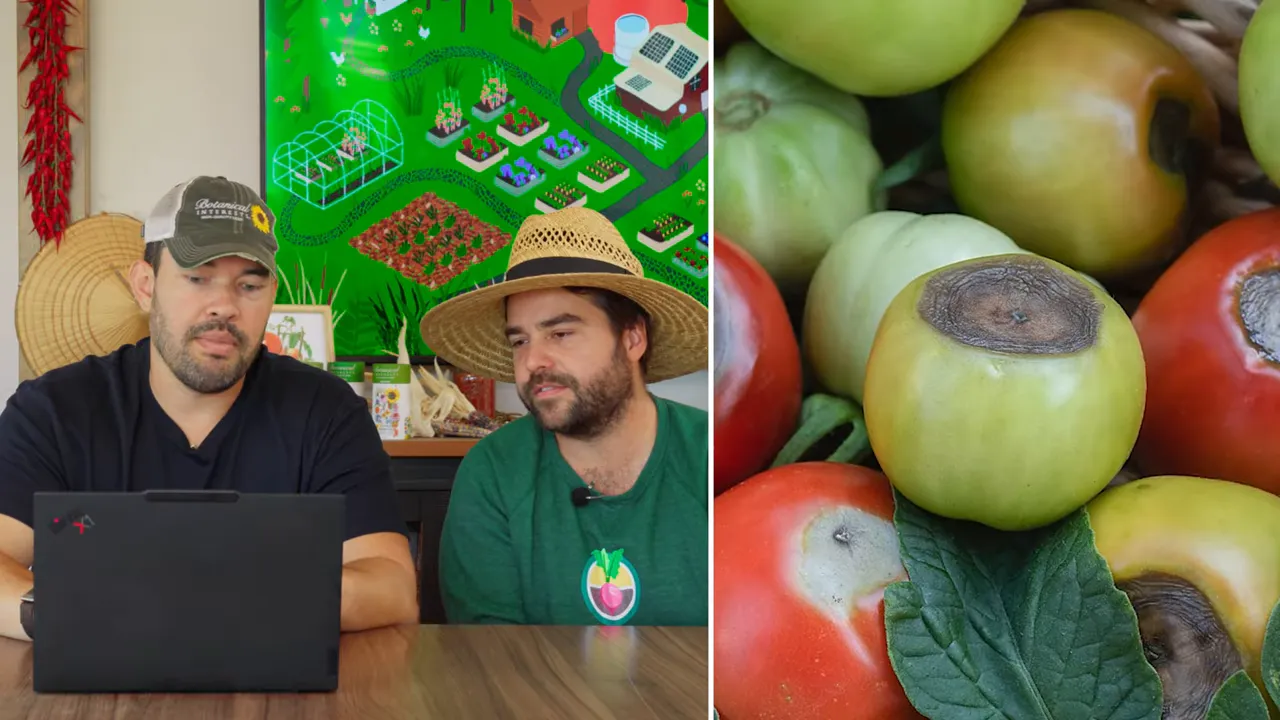
Think of carrying water in your backpack on a hike. Having it nearby isn’t the same as getting it into your body. Availability at the source and delivery to the destination are different things.
We also often see blossom end rot on a few fruits in the first flush, followed by healthy fruit later. If you add a remedy just before that improvement, it’s tempting to credit the remedy. But improvement after an action does not prove improvement because of that action.
Crushed antacids and powdered milk get C tier at best, not a blanket recommendation. And pouring gallons of milk into the garden is an even less appealing approach. Your tomatoes don’t need a side business making curds.
Check your watering before reaching for another calcium-containing household product. Sometimes, after correcting the basics, the best next move is to stop adding things.
Used Coffee Grounds: C Tier for Direct Burial
Coffee grounds are one of the more reasonable materials on this list. They’re organic matter, they contain nitrogen, and they can go into compost.
What they are not is a dependable shortcut to acidic soil.
Coffee the drink is acidic, but brewed grounds are generally much closer to neutral. You shouldn’t expect a sprinkle of used grounds to meaningfully lower the pH of a garden bed. Changing soil pH takes a more deliberate approach than that.
A light scattering of grounds over a bed isn’t something I’d get especially worked up about. The important distinction is between a sprinkle and dumping on a thick layer. Don’t pile them heavily over the soil and expect better results.
Will a small amount make a dramatic difference? Probably not. That’s why direct burial lands at C tier, with B being the most generous interpretation.
For a more useful destination, put the grounds into compost. And if you need a substantial quantity, ask a local coffee shop rather than opening a mountain of tiny single-use pods. The grounds are the useful material, not the packaging.
Why Compost Keeps Beating These Hacks
There’s a reason compost keeps showing up as the better alternative. It provides a system for breaking organic material down before that material reaches your crops.
A one-bin setup can do the job. Two or three bins can help if you want to handle more material. The important part is the decomposition process, not how elaborate the setup looks.
Microorganisms break down organic matter, and their activity generates heat in an active compost pile. Over time, the material becomes smaller, more decomposed, and much further along than a fresh banana peel or raw egg.
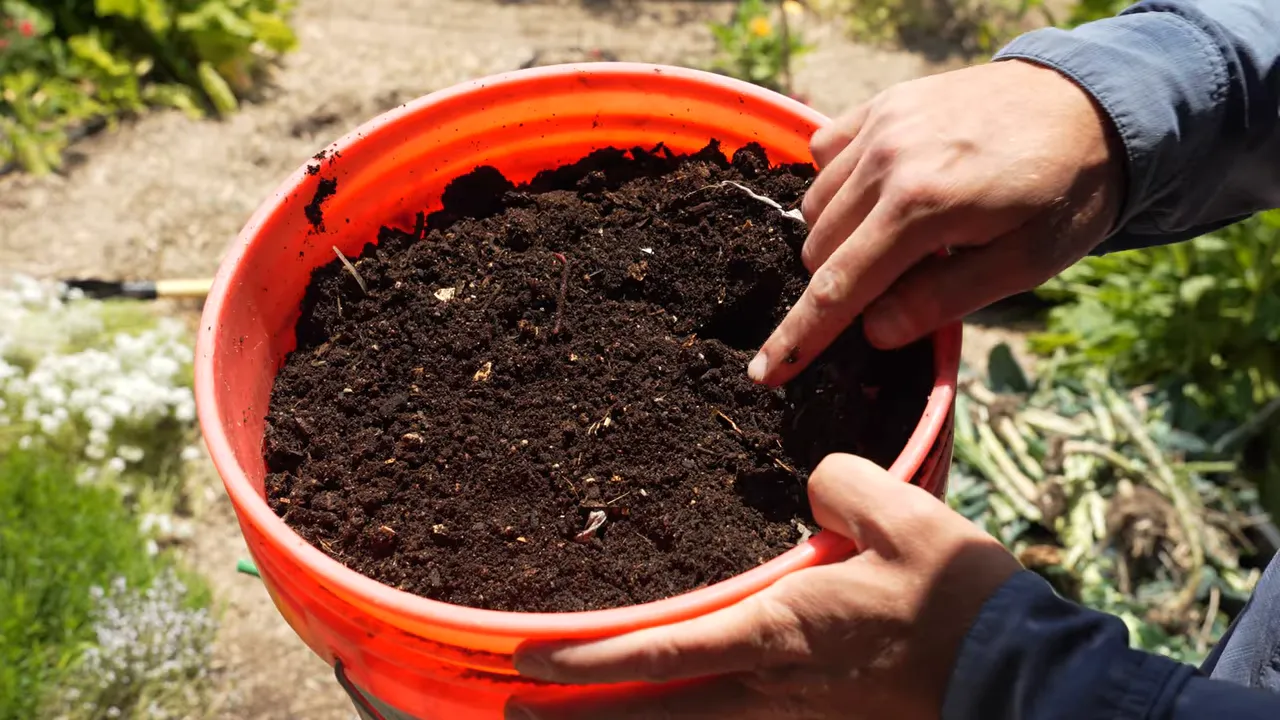
Even compost continues decomposing after application. It isn’t a substance that has finished every possible biological process. But it gives your soil a much better starting point than intact kitchen scraps, along with the microbial life associated with compost.
That’s the distinction worth remembering: recycling organic waste is useful, but burying it directly under a crop is not automatically the best way to recycle it.
The Actual S-Tier Choice at Planting: Fertilizer
After all those peels, shells, scraps, coins, and matches, the standout planting-time choice is almost disappointingly ordinary: fertilizer.
A fertilizer suited to the crop’s needs has a clearer purpose than a mystery ingredient in the planting hole. It’s intended to supply plant nutrients, rather than relying on a chain of assumptions about what a household object might eventually release.
The broader lesson isn’t that every unconventional garden experiment is bad. Experiments are fun. But before turning one into routine advice, ask:
- Is there an actual problem to solve? A plant needing a nutrient does not mean your soil lacks it.
- Is the nutrient in a usable form? Containing calcium, iron, or copper isn’t enough.
- Will it become available when the crop needs it? Next season is not the same as this week.
- Does the method create new problems? Damaged roots, digging animals, sharp objects, and unnecessary chemical additions all count.
- Is there a simpler, better approach? Often, that means composting scraps, improving watering, or using an appropriate fertilizer.
You don’t need to turn your planting holes into a kitchen junk drawer. Give organic materials time to decompose, focus on what your plants actually need, and save yourself some unnecessary digging. Good luck in the garden, and keep on growing.


