Four dollars for a little plastic box holding three sprigs of rosemary, or five dollars for a living plant you can harvest all season? That’s a pretty easy choice.
Perennial plants have a reputation for taking years to earn their space in the garden. Some do. But if you choose the right crops, and sometimes the right varieties, you can start replacing grocery purchases in the very first season while setting yourself up for years of harvests.
The best place to start is your grocery bill. Look for ingredients you regularly buy that cost a lot per ounce or per item. Fresh herbs, specialty greens, artichokes, and berries are excellent candidates. The prices here reflect examples from my local shopping, not guaranteed savings, but they show why these plants are worth considering.
Key Takeaways
- Prioritize expensive foods you regularly buy to get more value from your perennial garden.
- Cuttings, divisions, and bulbils let you multiply productive plants without buying more nursery starts.
- Choose first-year-fruiting artichoke and berry varieties when an early harvest is your priority.
- Control weeds and water new perennials well to support establishment and future harvests.
Table of Contents
- Why Some Perennials Take Longer to Pay Off
- 1. Rosemary and Other Mediterranean Herbs
- 2. Egyptian Walking Onions, Plus a Chive-Dividing Trick
- 3. Sorrel for a Returning Crop of Lemony Greens
- 4. Artichokes for High-Value Harvests
- 5. Primocane Raspberries for First-Year Fruit
- Give Your Perennials a Strong First Season
Why Some Perennials Take Longer to Pay Off
I think asparagus is partly responsible for the idea that perennial gardening requires endless patience. Don’t get me wrong, asparagus is awesome. An established patch can keep producing for 15 to 20 years. It just isn’t the crop I’d choose for a quick return.
You won’t get much in the first year, you may get a little in the second, and around the third year you can start approaching what feels like a normal harvest. For me, that makes asparagus a good candidate to grow from seed and accept the wait. A variety such as Spartacus is a long-term investment, not an instant grocery replacement.
The following five picks take a different approach: harvest useful amounts early, then multiply or maintain the plants so the value keeps building.
1. Rosemary and Other Mediterranean Herbs
Fresh herbs are one of the easiest places to find value in a perennial garden. A small package of rosemary can cost four or five dollars for just a few sprigs. At those package prices, you may be paying roughly $50 per pound.
Meanwhile, a small nursery plant can cost about five dollars and provide repeated harvests through the season. My established rosemary has been growing in the same spot for three to four years, and I’m still snipping from it.
Harvest and prune at the same time
With rosemary, harvest the greener growing tips. As you work around the plant, you’re also pruning it, so you can gradually maintain a nicely rounded shape instead of cutting randomly from one side.
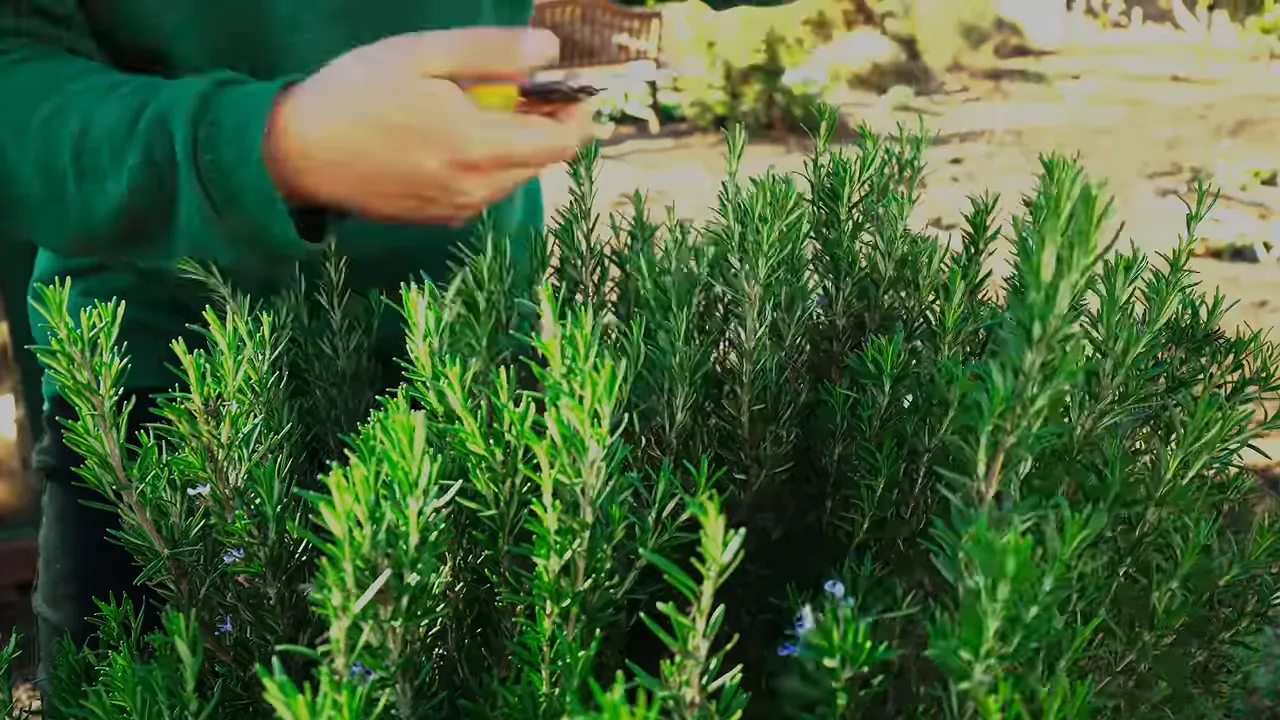
There’s a third benefit, too: those tips can become new plants.
- Take a rosemary tip cutting.
- Strip the leaves from the bottom 2 inches of the stem.
- Place the bare section in soil or water to root.
- Grow the rooted cutting into another plant.
That’s the appeal of a perennial herb: one purchase can give you food, a more shapely plant, and propagation material.
Grow the herbs you actually cook with
Rosemary isn’t the only good choice. Oregano, thyme, and sage are kitchen staples with similar growing preferences:
- Plenty of sun.
- Well-draining soil.
- A suitable spot in a container or in the ground.
Thyme, oregano, and sage can all be grown from seed to stretch your budget further. Rosemary is the one where I’d usually choose a cutting or buy a plant. It can be very persnickety from seed, and a nursery start gets you closer to harvesting right away.
2. Egyptian Walking Onions, Plus a Chive-Dividing Trick
How often have you bought green onions, used a little, and put the rest in the crisper drawer, only to discover them dried out or turned to mush? Growing an onion-like crop you can harvest as needed helps avoid both the expense and the waste.
Egyptian walking onions are especially useful because they do much of their own propagation. Instead of relying primarily on flowers and seeds, they produce clusters of small bulbs, called bulbils, at the tops of their stalks.
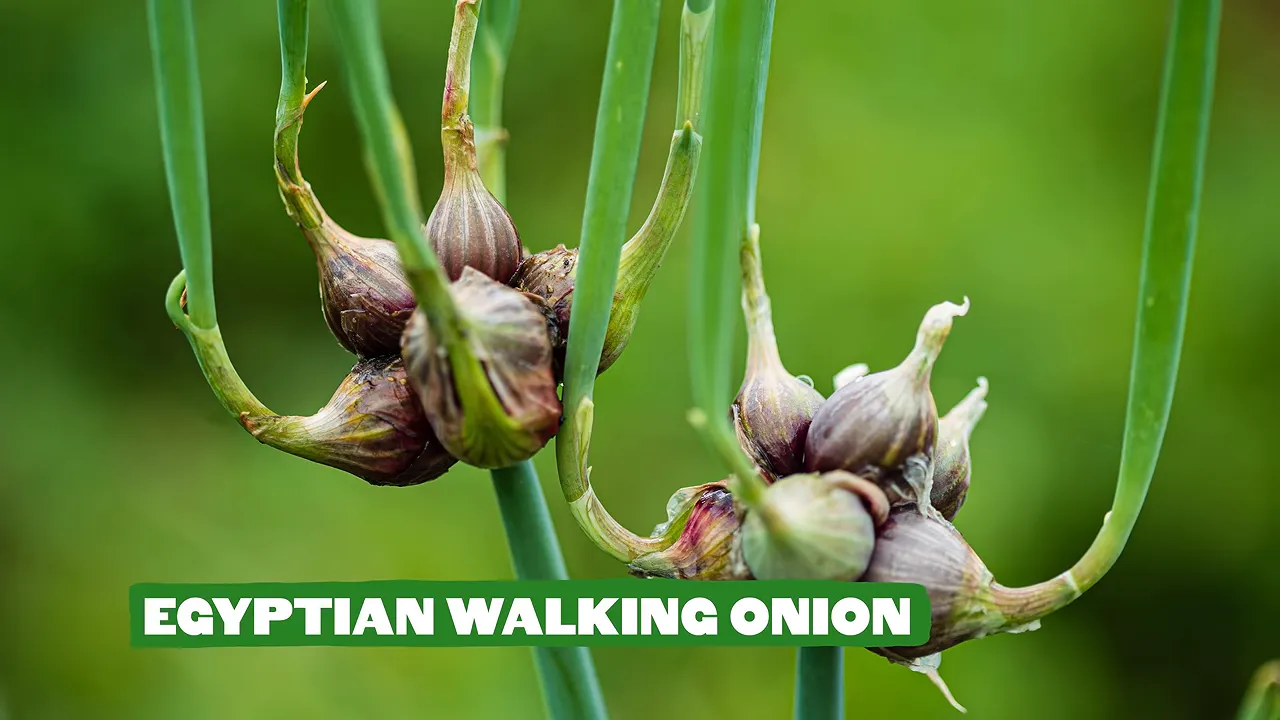
Eventually, the stalks bend over. When the bulbils reach the soil, they can root and form new plants. That’s how the onions “walk” across the garden.
Plant, harvest, and let them multiply
- Plant the bulbs about 1 to 2 inches deep.
- Once green growth develops, snip some to use like scallions.
- Take no more than about one-third of the plant’s green growth at a time.
- In late summer, collect the top bulbils as the stalks begin to flop.
You can roast some of those bulbils, replant them where you want more onions, or leave them to establish themselves. With very little work, you have a recurring source of onion flavor.
Turn one pot of chives into several plants
Chives are another useful perennial allium, and a nursery pot often contains a clump you can divide. You don’t have to treat that whole pot as a single, indivisible plant.
Remove the clump from its container, gently tease the roots apart, and separate it into smaller rooted clusters. A roughly five-dollar purchase can become two or more plants for the same initial cost.
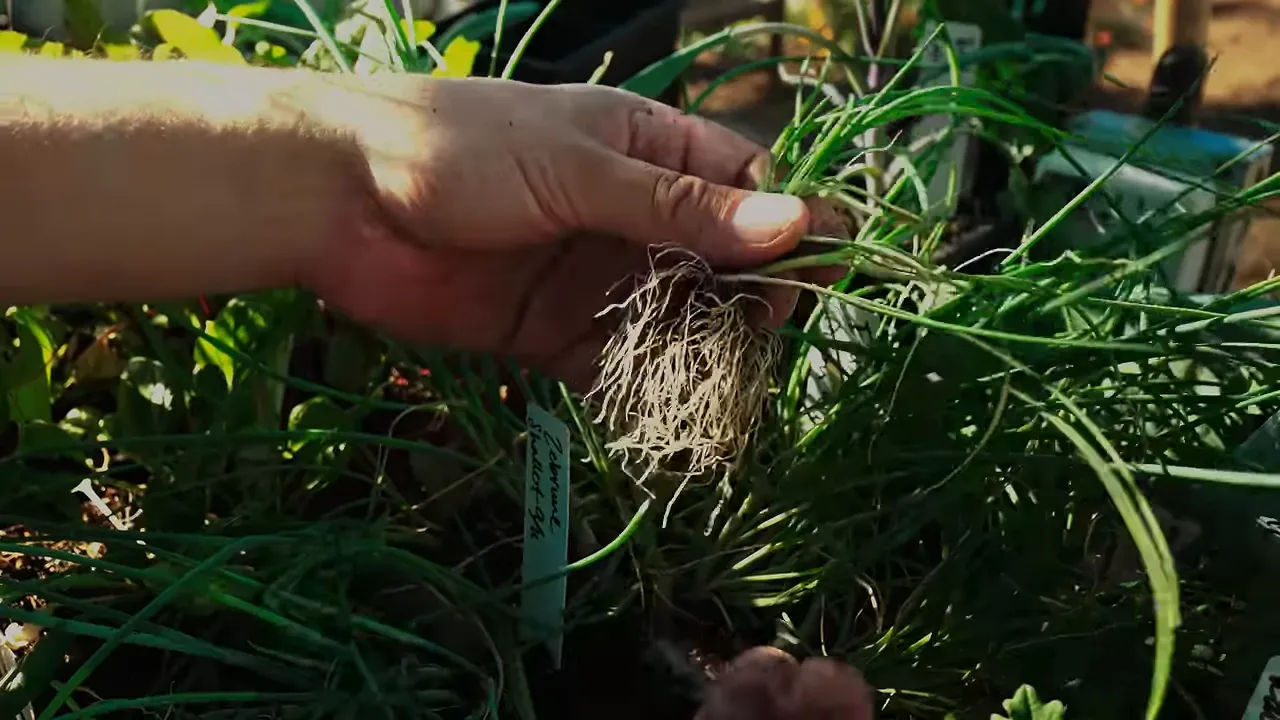
Replant the divisions in separate spots. As your chives grow, you can repeat the process to establish another patch rather than buying another nursery pot every time.
3. Sorrel for a Returning Crop of Lemony Greens
Try finding fresh sorrel at a typical grocery store. Good luck. And when you do find it at a specialty market, it can cost as much as $16 per pound.
We often think of leafy greens as tender annual crops: summer heat sends them into flower, or winter cold damages their leaves. Sorrel offers something different. It’s a cold-hardy perennial, one of the first plants to emerge in spring, and a crop you can extend into winter where conditions allow.
The flavor is bright and lemony. It’s a great way to add a punch to soups, salads, and other dishes without needing a huge harvest.
Harvest the outside and leave the center
You can start sorrel from a nursery plant or seed. Space plants about a foot apart and give them time to settle in.
From roughly a month onward, once plants have enough growth, begin picking outer leaves. Leave the central growing point intact so it can continue producing fresh foliage.
If a flower stalk starts rising from the plant, clip it promptly. As with other leafy greens, managing flowering helps keep the plant focused on the leaves you want to eat.
Divide established clumps for more plants
Once you have an established clump, you can spread sorrel around the garden much as you would chives. Use a trowel to separate a rooted section, lift it out, and settle it into its new location. That division can become another productive clump for years to come.
We carry common sorrel seeds at Botanical Interests, and it’s a crop I highly encourage you to make room for if you enjoy that fresh, tart flavor.
4. Artichokes for High-Value Harvests
At four or five dollars per head, artichokes can make an impression on your grocery bill. Especially if you’re making spinach artichoke dip, which is obviously the correct way to eat them. I may be a little biased.
A healthy, productive plant can give you two to three main heads per year, sometimes four to five, plus smaller side shoots. Where it survives as a perennial, it can repeat that production for years.
I grow artichokes in a front-yard patch beside the house, irrigated by my laundry graywater system. Once established, they haven’t needed much fuss beyond good sun and some end-of-season care.
Choose a variety that fits your climate and timeline
I enjoy starting artichokes from seed because I can manage the seedlings from the beginning. But variety selection matters, especially when your goal is a first-season crop.
- Warmer climates, around zone 8b and above: Green Globe Improved is a variety I’d consider for a perennial patch.
- Colder climates or a first-year harvest goal: Imperial Star is bred to produce in its first year.
Artichokes also produce new growth from their base as the root system develops. Keeping that root system alive through winter is what makes repeat harvests possible.
Protect the roots through winter
At the end of the season, cut the plants back. In colder conditions, the approach is to cut them to about 1 to 2 inches above the soil and pile mulch over the crown to insulate it.
In my mild climate, I can get away with cutting them down without adding that extra covering. In places with real winters, more substantial protection may be needed, and overwintering isn’t guaranteed. Some gardeners add a bucket over the cut-back plant as an additional insulating buffer.
Remove that covering in late winter or early spring as conditions allow, giving the new shoots room to emerge.
Harvest before the scales open
Pick artichokes while their scales are still tight around the head. Once those scales begin peeling back, you’ll get less edible flesh from them.
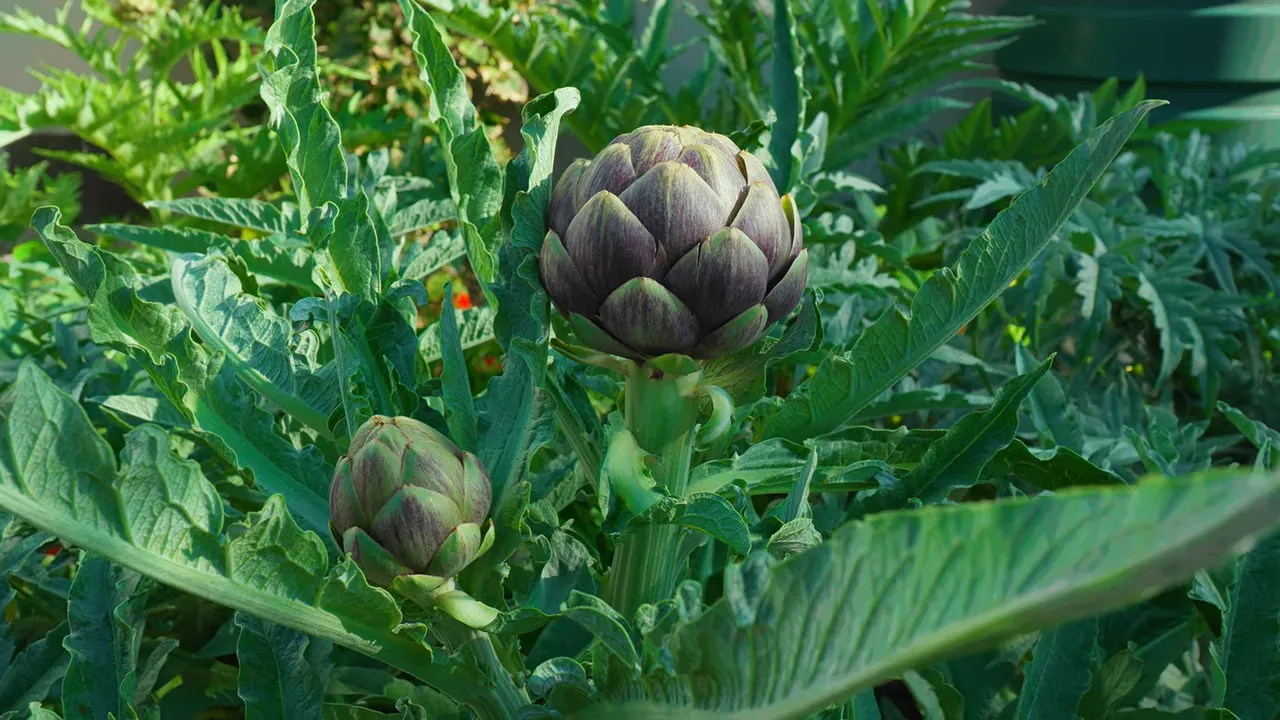
You can also let a head bloom. The purple flowers are beautiful, but by that stage you’ve missed the eating window. Artichokes earn their place as both a food crop and an ornamental plant, even if I’m usually voting for the dip.
5. Primocane Raspberries for First-Year Fruit
Berries are delicious, expensive, and not exactly famous for their long refrigerator life. A little clamshell can cost five, six, or seven dollars, then seem to grow mold almost immediately.
Growing your own is appealing, but not every perennial berry is a strong choice for a first-year return.
Blueberries, for example, are fantastic plants, but they need acidic soil and generally won’t give you much of a crop in their first year. Many blackberries and summer-bearing raspberries produce on second-year canes, which also means waiting.
Know the difference between primocanes and floricanes
A raspberry’s roots live for many years, but each cane lives for only two. The terminology on the plant tag tells you when to expect fruit:
- Primocane: A cane in its first year of growth.
- Floricane: That same cane in its second year.
- Summer-bearing or floricane-fruiting: A type that fruits on second-year canes.
- Fall-bearing, everbearing, or primocane-fruiting: A type that can fruit at the tips of first-year canes.
That distinction is the key to an early harvest. For more background on cane growth and fruiting habits, the University of Minnesota Extension’s guide to growing raspberries is a useful reference.
Pick a first-year-fruiting variety
For raspberries, look at Heritage or Caroline. For a primocane-fruiting blackberry, consider Prime-Ark Freedom.
Expect a lighter crop in the first season, not a fully established berry patch’s production. A few clamshells’ worth can still replace meaningful grocery spending and may cover the plant’s purchase price, depending on its cost and how well it grows.
The bigger benefit comes afterward: future harvests, plus the opportunity to propagate more plants. Raspberries and blackberries can be multiplied and spread through the garden, so one plant can become the beginning of an entire berry row.
Give Your Perennials a Strong First Season
Perennials can make gardening easier, but “perennial” doesn’t mean “plant it and forget it,” especially at the beginning.
Keep weeds under control and keep new plants well watered as they establish. Match the crop to its growing conditions, choose the right variety, and harvest in a way that leaves enough growth for the plant to keep going.
That’s the real payoff: replacing a grocery purchase this season while building a garden that can keep feeding you for years. Start with the foods you already use, take care of that first planting, and multiply the plants that earn their space.


