I have a dirty little gardening secret: summer is only my third-favorite season to grow food. Spring comes first, fall comes second, and summer takes the bronze. After an exceptionally hot summer here in San Diego, zone 10b, I’m more than ready for a garden that doesn’t feel like a daily battle against the heat.
Fall gardening offers more than comfortable weather. With the right cold-hardy vegetables, you can establish your plants, give them a little protection where needed, and enjoy a much more relaxed growing season. Some crops will keep supplying the kitchen through winter. Others will settle in and reward you when spring arrives.
“Plant and forget” is the spirit here, not a command to abandon the garden. Get these nine crops off to a good start, choose varieties suited to your winter, and let the cooler weather do some of the work.
Table of Contents
- Key Takeaways
- Why Fall Is Such a Good Time to Grow Vegetables
- 1. Garlic: Plant Individual Cloves and Let Them Settle In
- 2. Spinach: A Surprisingly Tough Winter Green
- 3. Leeks: Start Early for Low-Effort Winter Flavor
- 4. Carrots: Solve Germination, Then Use the Soil as a Refrigerator
- 5. Collard Greens: Much More Than a Hot-Weather Crop
- 6. Radishes: Easy to Grow, and Worth Having a Plan to Eat
- 7. Kale: Cold Weather Can Change Your Opinion of It
- 8. Mâche: A Small Salad Green With Serious Cold Tolerance
- 9. Cabbage: Give It Time to Build Its Protective Head
- Make Winter Gardening Easier by Starting Well
Key Takeaways
- Fall gardening often means less watering, lower pest pressure, and sweeter cold-hardy vegetables.
- Establish crops before sustained cold and shorter days slow their growth.
- Choose winter-hardy varieties and use mulch or frost cover when temperatures approach their limits.
- Established roots and mature heads can remain in the garden for harvests through suitable winter conditions.
Why Fall Is Such a Good Time to Grow Vegetables
As temperatures drop, the soil loses moisture more slowly. That helps plants establish roots without drying out so quickly, and it usually means less watering for us.
Pest pressure often tapers off, too. Those pretty little cabbage butterflies are considerably less charming once their caterpillars start chewing through your brassicas. Cooler weather can give those crops a welcome break, although it doesn’t mean pests disappear entirely.
Then there’s my favorite benefit: cold weather can make vegetables sweeter. In many cold-hardy crops, starches convert to sugars as temperatures fall. Those sugars improve flavor and help protect plant tissues against freezing. Your first frost doesn’t have to be the end of the garden. For some vegetables, it’s the beginning of their best flavor.
The temperatures below are approximate cold-tolerance benchmarks, not guarantees for every plant in every garden. Variety, plant maturity, protection, and the severity of the freeze matter. A well-established crop is a different proposition from a tiny seedling heading into its first cold night.
Mulch and frost cloth are useful tools when conditions push beyond a crop’s comfort zone. For more background on protective options, the University of Minnesota Extension has a helpful guide to extending the growing season.
1. Garlic: Plant Individual Cloves and Let Them Settle In
Garlic is one of those crops I plan to grow for the rest of my life. It’s delicious, useful in just about everything, and remarkably well suited to fall planting.
Hardneck garlic is the cold-weather champion, with established, protected plantings capable of surviving winters that reach around -40°F. My San Diego brain has a hard time comprehending that number.
Softneck garlic is generally the easier fit for milder climates, including ours. In roughly zone 6 and warmer, it’s often a practical choice, while hardneck types are especially valuable in colder regions.
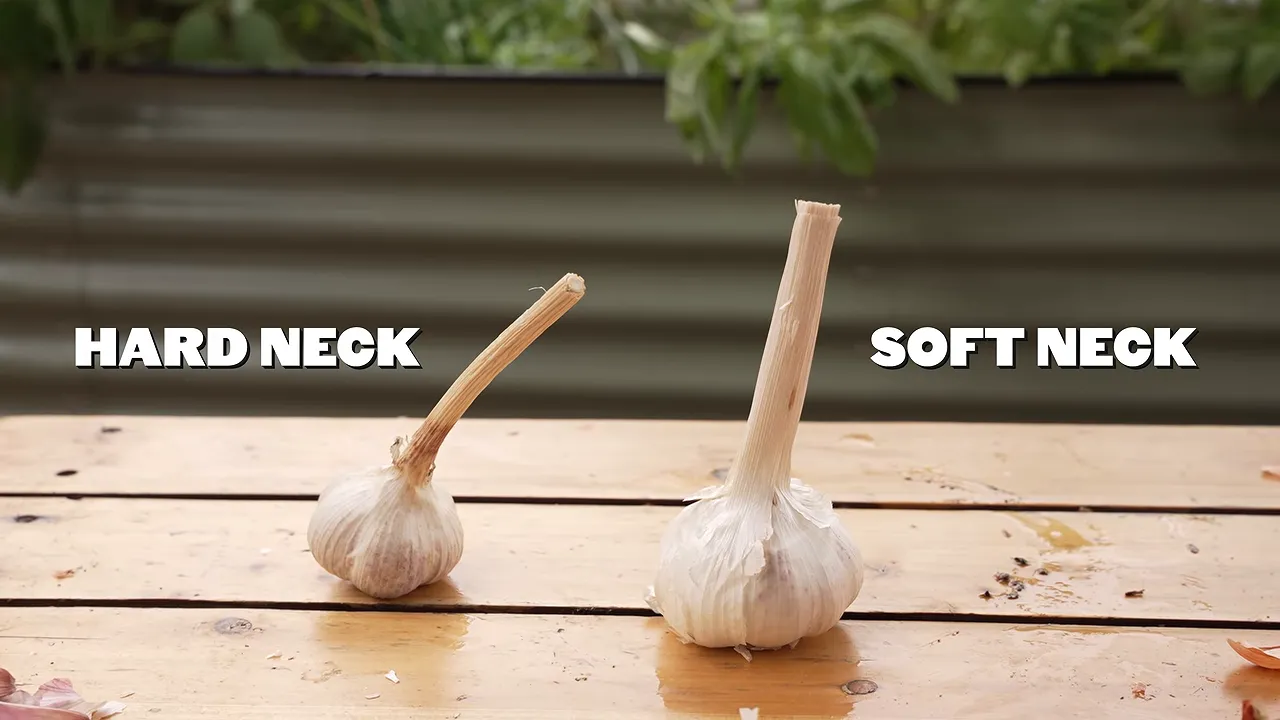
Here’s the basic fall planting routine:
- Plant about four to six weeks before your first expected frost.
- Separate the bulb into individual cloves.
- Plant the cloves about 3 inches deep and roughly 6 inches apart.
- Cover the bed with mulch, using a layer up to about 4 inches thick in colder climates.
Once planted and mulched, garlic needs relatively little attention through winter. Think of it as a crop you establish now for a later bulb harvest, rather than something you’ll be digging up every week.
If you want to try hardneck garlic in a warm climate, it may need help getting the cold exposure necessary for bulb formation. We refrigerate it for about a month before planting. That prechilling step helps compensate for our mild winters.
2. Spinach: A Surprisingly Tough Winter Green
Spinach is common on the dinner table, but I don’t think it gets nearly enough credit in the garden. Fall is an excellent time to grow it because cold conditions encourage sugar accumulation and keep it out of the heat that makes growing spinach more frustrating.
Its cold tolerance can be impressive. Well-established, cold-acclimated spinach can survive extremely low temperatures, with exceptional tolerance cited down to around -20°F. Treat that as an outer survival benchmark, not a reason to skip protection during severe weather. Frost cloth gives you another layer of insurance.
Get spinach established about four to six weeks before your genuinely cold period. As daylight hours shorten, growth slows. That’s normal. The goal is to have a useful planting in place before the garden shifts into its slower winter rhythm.
Two varieties worth considering are Space and Bloomsdale Long Standing. Both are good options for a cool-season planting, when bolting is much less of a concern than it is in warm weather.
And plant enough. A modest handful of spinach looks very different after it hits a hot pan.
3. Leeks: Start Early for Low-Effort Winter Flavor
Garlic isn’t the only allium that earns its place in a cool-season garden. Leeks bring loads of flavor to potato leek soup, sautéed vegetables, and just about anything else that could use a gentle onion-like boost. Cold-grown leeks sweeten up nicely, too.
The main catch is timing: leeks are not fast growers. Start them in late summer so you have seedlings around 4 inches tall to plant out as fall begins. September can work in our setting, but the important part is giving them enough growing time before winter slows everything down.
Leeks can tolerate temperatures around 20°F, though the tops may freeze and become soft while the usable lower portion remains in good condition. Variety matters here. Winter leeks are better suited to deep cold than spring types.
King Richard is a variety we enjoy, but distinguish between a leek you like growing and one specifically selected for your coldest winter conditions.
For a longer white, blanched section, hill material around the lower stems:
- In mild climates, roughly zone 8 and warmer: straw can help cover the stems.
- In colder climates: hill with soil and compost to provide more insulation.
Once they’re established and appropriately protected, leeks can become a very low-maintenance crop to harvest over the cool season and into spring.
4. Carrots: Solve Germination, Then Use the Soil as a Refrigerator
For my first few years of gardening, I was fairly convinced carrots were sentient beings that knew I wanted to pull them out of the ground and had decided not to cooperate. Even now, we occasionally have a troublesome planting.
The biggest hurdle is usually germination. Once you get past that stage, fall carrots can be wonderfully easy, and cold weather makes the roots sweeter.
A Simple Way to Sow Carrots
- Make a shallow furrow, no more than about 1/4 inch deep.
- Crease the seed packet, tilt it over the row, and gently tap to release the seeds.
- Cover the seeds lightly.
- Keep the seedbed consistently moist until germination.
- Thin the seedlings so the developing roots have room.
We call that gentle packet-tapping technique the “Jacques tickle.” A very sophisticated name for a very simple method.
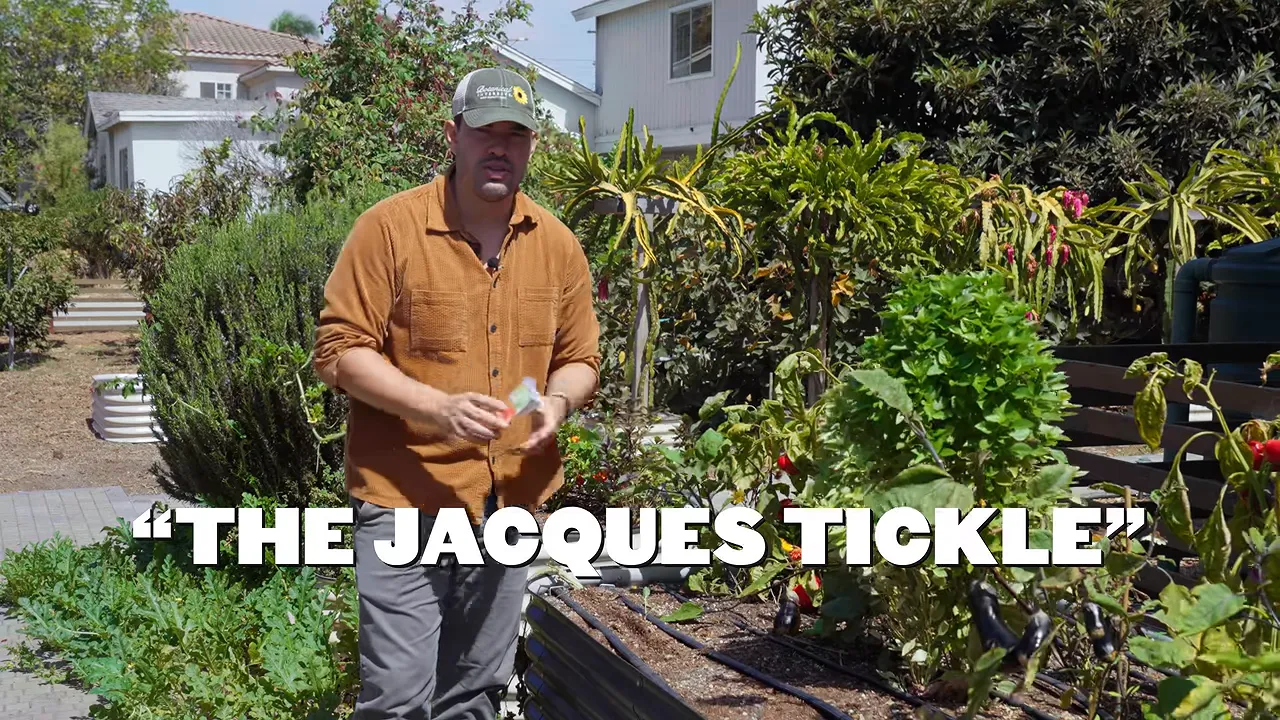
We tested several carrot-germination techniques, and ordinary direct sowing gave us the best results. Cardboard over the seeded row came in a close second. If the surface keeps drying out, cardboard can help retain moisture while the seeds get started. Check underneath it and remove it as seedlings emerge.
The more elaborate methods required extra work without giving us better results. In fall, I’m aiming for a relaxed garden, not a carrot science project.
Cold Tolerance and Harvesting
Carrot tops and roots can tolerate temperatures around 15°F. The roots, insulated by soil and mulch, can sometimes survive conditions down to roughly -5°F.
For fall planting, favor varieties that mature relatively quickly. Options include Little Finger, Tonda di Parigi, Danvers 126, Scarlet Nantes, and Red Cored Chantenay. Match the variety and its maturity time to the growing window you have left.
Once the roots are a useful size, don’t assume you need to harvest them all before the first frost. The bed can act as a natural refrigerator. Where winter conditions allow, leave them in place and pull sweet, fresh carrots as you need them.
5. Collard Greens: Much More Than a Hot-Weather Crop
Collards have a well-earned reputation as a Southern crop, comfortable with heat and humidity. But that reputation leaves out half the story. They’re also excellent cold-season greens.
Established collards commonly tolerate temperatures around 10°F, with some handling about 5°F without additional protection. If your garden regularly drops below 10°F, a row cover is a sensible precaution.
Cold weather brings out their sweetness and flavor. If you’re growing collards for a pot of greens and that delicious pot liquor, fall and winter are very good seasons to have them around.
Our pick is Top Bunch 2.0, a variety known for tolerating frost and improving in sweetness with cold weather.
You can establish collards earlier in the year or get them going in early fall, provided they have time to settle in before serious cold. One of ours had been growing since the previous winter and was nearly a year old, towering over the bed. That’s not the size you should expect from a fresh fall planting, but it shows what a long-lived collard can become in a favorable climate.
6. Radishes: Easy to Grow, and Worth Having a Plan to Eat
For years, radishes were my automatic answer when somebody asked for an easy vegetable to grow. And they are easy. The part I hadn’t always thought through was what to do with a pile of them afterward.
At one point, we made radish pizza because we’d heard roasted radishes could be a little potato-like. The obvious alternative was to put an actual potato on the pizza, but where’s the adventure in that? Honestly, the radish version wasn’t bad.
For a fall garden, two particularly interesting options are:
- Round Black Spanish: a striking black-skinned radish that grows about 3 to 4 inches across and tolerates temperatures around 20°F.
- Miyashige White Daikon: a large-rooted option that’s especially appealing if you enjoy Japanese-style pickled vegetables.
A month spent exploring Japan renewed my appreciation for pickled vegetables, particularly daikon. Growing a bed of it makes a lot more sense when you already know how you want to use the harvest.
Direct sow radishes where they’ll grow. They generally germinate readily and grow quickly, though big winter radishes still need time to develop those substantial roots. A sowing a couple of weeks before frost can get started, but don’t mistake quick emergence for a fully sized crop.
Around 20°F is a useful protection threshold for these fall radish choices. Below that, use frost cover rather than assuming they’ll be fine. In suitable conditions, the bed becomes a handy little outdoor supply for your next pickling session.
7. Kale: Cold Weather Can Change Your Opinion of It
If you’re old enough to remember kale mostly as the greenery decorating a Pizza Hut buffet, you’ve already lived through quite a vegetable comeback.
But kale deserves more than decorative status. And if your experience has been bitter, tough leaves, try growing it through cold weather. Cold-grown kale becomes sweeter and more tender, which is a pretty compelling combination.
Lacinato does well in our mild climate. For colder conditions, consider:
- Red Russian
- Dwarf Blue Curled
- Winterbor
Very hardy, established kale can survive temperatures around -15°F. That level of tolerance depends on the variety and conditions, so choose for winter hardiness rather than assuming every kale behaves identically.
Another useful feature is its ability to rebound. Even if outer leaves are lost over winter, the plant may resume growth in spring as long as the central growing tip survives.
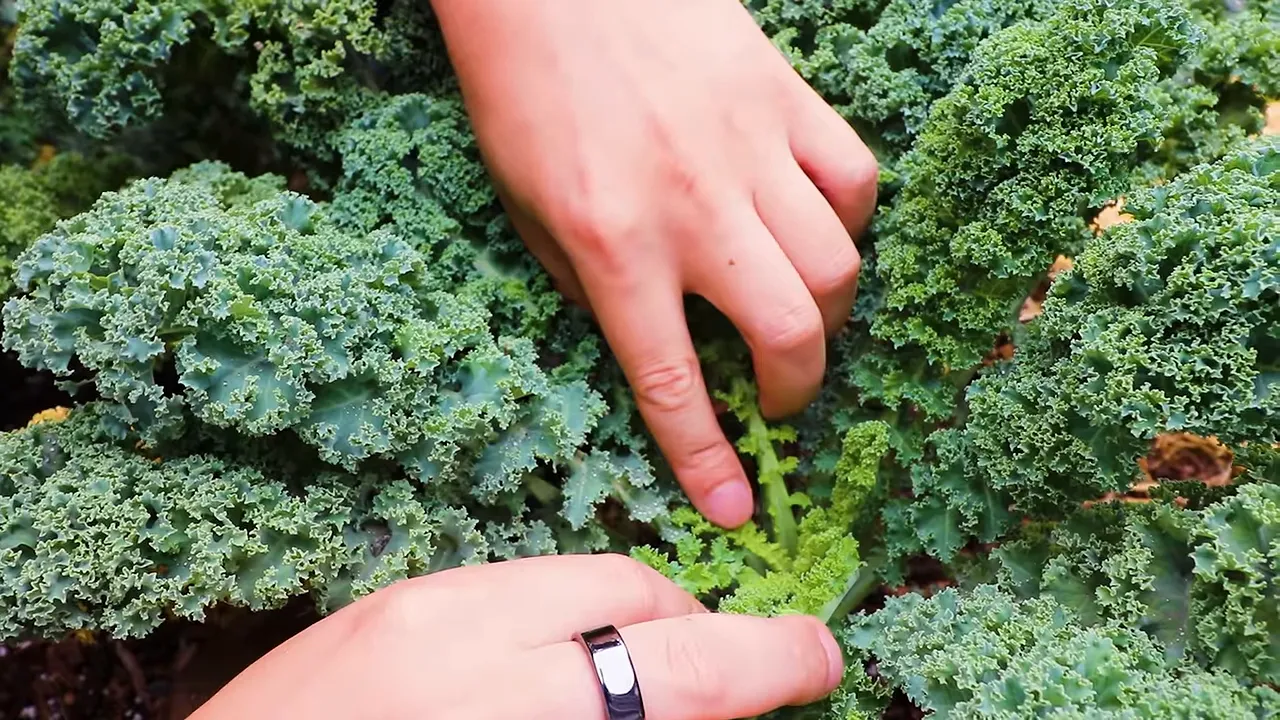
That established root system gives the plant a head start when favorable growing conditions return. A winter kale planting can carry its value well beyond winter itself.
8. Mâche: A Small Salad Green With Serious Cold Tolerance
Mâche, also called corn salad, is one of the less obvious choices on this list. It forms small rosettes of velvety leaves with a mild, slightly nutty flavor.
It’s also remarkably hardy, with established plants capable of tolerating temperatures around -15°F without protection. Additional protection can extend its range further, but don’t count on a specific lower temperature simply because you’ve added a cover.
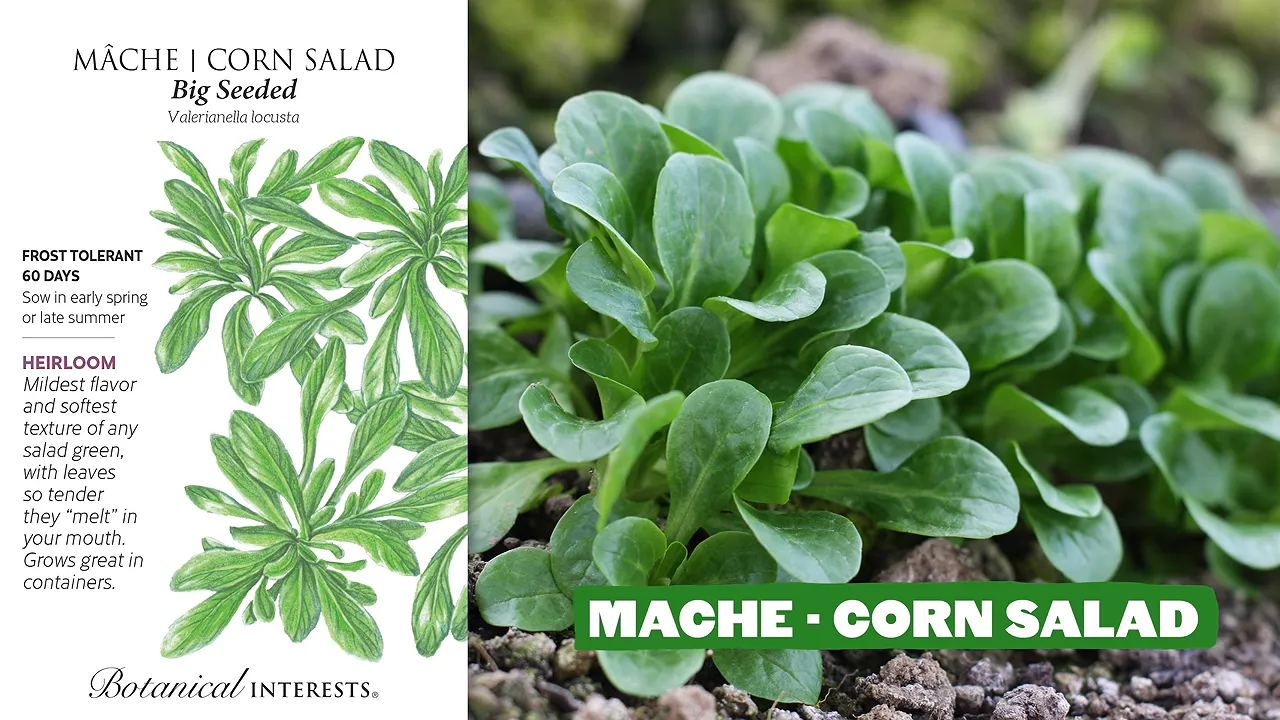
Mâche seed can be small and requires care at sowing. Big Seeded mâche is a little easier to handle. For this variety, direct sow about 1/4 to 1/2 inch deep.
Aim to establish it roughly two to four weeks before a true frost or sustained cold, allowing enough growth before conditions slow it down. If outdoor establishment is difficult, starting it indoors and transplanting it out is another option.
Once you have a useful rosette, harvest with a knife at the base, much as you would cut a small head of lettuce. It’s a lovely crop for that low-effort winter salad patch: get it established, leave it growing, and return when you’re ready to harvest.
9. Cabbage: Give It Time to Build Its Protective Head
Cabbage rounds out the list, but there’s an important distinction here: a young, loose-leaved cabbage is not the same thing as a mature, tightly wrapped head.
In our garden, young cabbages grow beneath the tomatoes and peppers as summer eases into fall. That overhead growth gives them some shade while the weather is still warm.
For winter, look for compact, tightly wrapped cabbage varieties. Two we like are Copenhagen Market and Red Acre.
Their tight heads and resistance to splitting help limit exposure and damage. Those firm, waxy outer leaves provide an important protective layer around the interior.
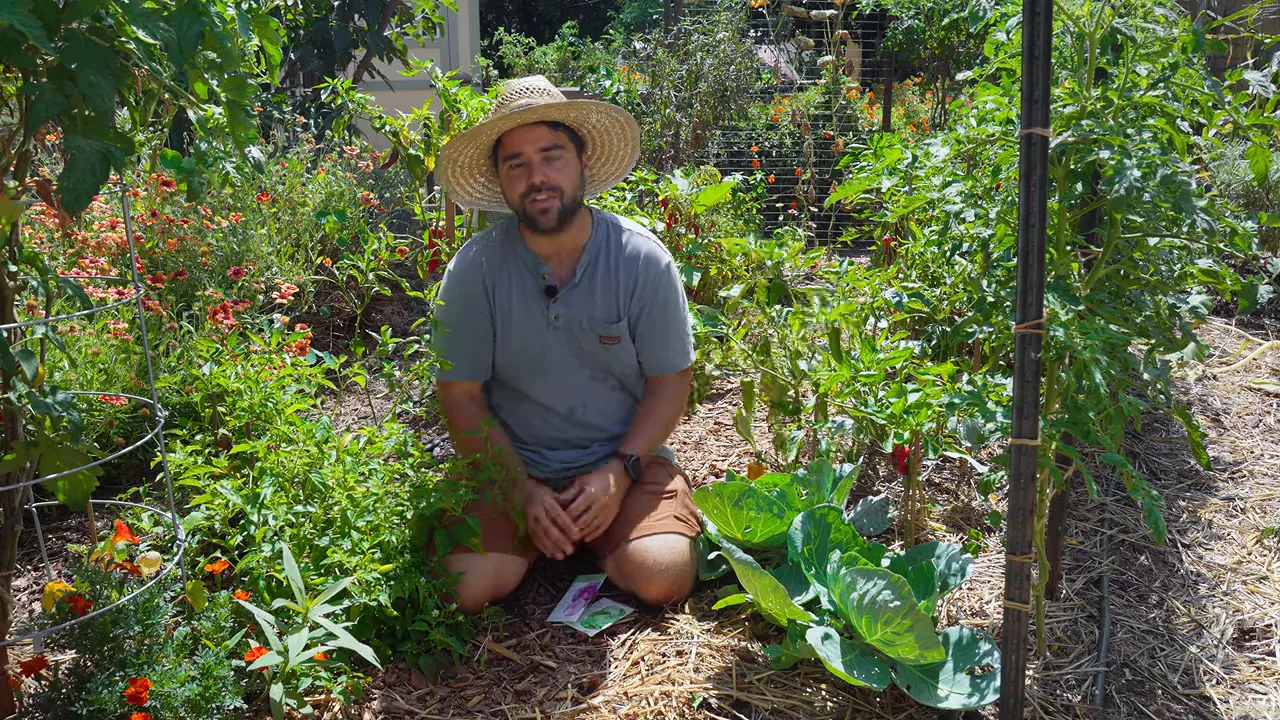
About 10°F is a useful lower benchmark for established heading cabbage in this planting plan. Below that, freezing damage can become severe and leave the head mushy. Young plants without a formed head are more vulnerable, so give them time to develop before relying on that cold tolerance.
Where temperatures stay within their limits, mature cabbages can remain outdoors through winter and into spring. The key is getting them to that protective, well-wrapped stage first.
Make Winter Gardening Easier by Starting Well
The secret to a low-maintenance fall garden isn’t doing nothing. It’s doing the useful work early: choosing cold-hardy varieties, getting plants established before growth slows, keeping seedbeds moist, and adding mulch or frost protection where it counts.
After that, the season can work in your favor. There’s less heat, often less watering, and a chance to grow vegetables that taste better after a little cold.
You don’t have to empty every bed when the first frost arrives. With the right crops, there’s still plenty of good food out there. Good luck in the garden, and keep on growing.


