Years ago, my cousin and I were roaming the markets in Barcelona, buying whatever caught our attention. Naturally, I came home with some unusual seeds. I planted them, waited for the results, and got something that definitely was not what I thought I had purchased.
That experience left me with a question: What actually grows from those suspicious seed listings online?
So I went on eBay, bought a collection of weird seeds, and grew them at the homestead. We had purple teddy bear sunflowers, rainbow roses, giant tomatoes, absurdly long corn, and beans that looked like they belonged in a fairy tale.
Some were obvious red flags. Others were perfectly plausible plants wrapped in very enthusiastic marketing. And a few genuinely delivered.
Key Takeaways
- Seeds can produce the correct crop while failing to deliver the advertised variety or traits.
- Both purple Teddy Bear sunflower listings produced flowers that clearly differed from their advertised images.
- Python yardlong beans and waterfall cherry tomatoes reasonably lived up to their listings.
- The giant corn grew vigorously, but poor kernel set complicated the final verdict.
Table of Contents
- The Shopping Cart: Botanical Possibilities and Obvious Red Flags
- Unboxing: Can You Identify a Scam From the Seed?
- Starting Everything in Trays
- Germination: Mostly the Right Plants, but Still No Proof of Variety
- Moving the Experiment Into the Garden
- The Sunflowers: Real Seeds, False Promises
- The Mystery Flower: Morning Glory, With Plenty of Enthusiasm
- The Tomatoes: A Waterfall Pass, With Limits on the Other Verdicts
- The Giant Corn: Spectacular Plants, Disappointing Ears
- Python Yardlong Beans: The Clear Winner
- What This Experiment Actually Proved
The Shopping Cart: Botanical Possibilities and Obvious Red Flags
I did not expect every listing to be fake. Giant vegetables are real. Unusual tomato colors are real. Yardlong beans are absolutely real. The challenge was separating an unusual plant from an impossible-looking picture.
Purple Teddy Bear Sunflowers
We bought two versions: a yellow-purple “enchanting giant teddy bear” sunflower and an all-purple version.
Teddy Bear is a real sunflower variety. The suspicious part was the color and scale. One listing showed flowers with yellow centers surrounded by intensely purple or blue-looking petals. The other showed enormous purple blooms, with a person in the picture providing a rather unbelievable sense of scale.
I was not optimistic. But if those flowers somehow appeared in the garden, we would have something pretty remarkable on our hands.
Four Different Tomatoes
The tomatoes ranged from suspiciously productive to entirely believable:
- Waterfall cherry tomato: Advertised with huge cascades of fruit. The trusses, which are the structures carrying the tomatoes, looked unusually long and loaded. Some imagery looked AI-generated, but the basic idea was plausible.
- German Giant: A large tomato that looked possible based on tomatoes I have grown before.
- Great White: A pale beefsteak tomato. The photos looked believable, and I was more curious about flavor than authenticity.
- Big Zac: Advertised as capable of producing tomatoes over 5 pounds. One listing image showed a tomato on a scale at 4 pounds, 11.8 ounces. I have grown a tomato in the 4-pound range, so this was not outside the realm of possibility.
The Rest of the Lineup
- Emerald Giant bell pepper: Large green peppers in fairly ordinary-looking photos. Nothing about the basic claim seemed impossible.
- Rainbow rose: A flower with distinct, intensely colored rainbow petals. This was the listing I trusted the least. I did not expect a seed-grown plant to reproduce that appearance, especially the vivid blue.
- Kiwi berry: An intriguing fruit, although I did not expect to take it all the way to a harvest within this experiment. A recognizable seedling would at least give us something to assess.
- Python yardlong bean: A known variety from a seller with a good rating. This was probably my most confident purchase.
- Nayarit Jala Amarillo corn: A Mexican heirloom advertised with exceptionally long ears. Unfamiliar to me, but potentially real.
- Giant Butterscotch parsnip: Marketed as rare and sweeter than carrots. The giant-vegetable photos looked plausible, especially knowing growers who produce enormous vegetables for competition.
The shopping cart was a mix of likely winners, likely nonsense, and plants I simply wanted to learn more about. That made it much more interesting than ordering nothing but rainbow flowers.
Unboxing: Can You Identify a Scam From the Seed?
Once the packages arrived, the first test was simple: Did these even resemble the kinds of seeds we ordered?
Mostly, yes. But there is a big difference between identifying a crop and identifying its variety. A tomato seed can look like a tomato seed without being the tomato variety on the packet. The same goes for peppers and plenty of other crops.
The Seeds That Looked Right
The Python yardlong beans looked like bean seeds, and the corn was unmistakably corn. That was encouraging, although a corn kernel cannot tell you how long its future ear will be.
The parsnips had their distinctive flat shape, with a wing-like edge. Imagine a tiny seed-sized flying disc. I sowed three per planting hole because I really wanted some germination.
The Emerald Giant seeds looked like pepper seeds, slightly large but nothing unusual. All four tomato packets also contained seeds that looked appropriate. The waterfall cherry tomato seeds were small, but their appearance did not set off any immediate alarms.
The Sunflower Seeds Raised More Questions
The yellow-purple sunflower packet was handwritten and contained a mixture of white, black, and striped seeds. They were small, which did not automatically disqualify them as Teddy Bear sunflower seeds.
To give that mixture a fair test, I put a white, a black, and a striped seed into each planting hole. If the packet contained different varieties, I wanted to give those differences a chance to show up.
The all-purple packet contained black seeds that reminded me of black oil sunflower seed. They were clearly sunflower-like, but that did not make the promised flower any more believable.
The Unknowns, Plus a Free Mystery
The kiwi berry seeds were tiny, almost chia-like. They seemed consistent with what I would expect from dried kiwi seeds, but I could not confidently tell whether they were kiwi berry or another kiwi. I sowed about four per planting hole.
The rainbow rose packet was much harder to assess. I had not personally handled rose seeds before, so I could not identify them confidently. That uncertainty did not change my skepticism about the advertised bloom.
One seller also included a free packet labeled “Mystery Flower.” The seeds had a vaguely sunflower-like quality, but I could not place them. We sowed two per planting hole and added one more mystery to the experiment.
Starting Everything in Trays
We started the collection in labeled trays so we could keep track of each purchase. Beans can be direct-sown, but keeping the experiment together made it easier to compare germination and inspect the seedlings.
Our setup used the Epic tray system: a sturdy 1020 bottom tray with reusable cell packs. The 6-cell packs have air-pruning slits and large bottom openings that make it easier to push out the root ball when transplanting. Twelve 6-cell packs fit in a bottom tray, or eight of the larger 4-cell packs.
The system also has grow-light and heat-mat options, and complete seed-starting kits are available through our shop. For this experiment, the important thing was having an organized setup that let us follow each packet from seed to garden.
Germination: Mostly the Right Plants, but Still No Proof of Variety
At the first seedling check, most of the collection had germinated.
Great White and German Giant looked like tomatoes. Their seed leaves looked normal, although the early true leaves were smaller and a little differently shaped than I expected. The cherry tomato and Big Zac seedlings also appeared to be tomatoes.
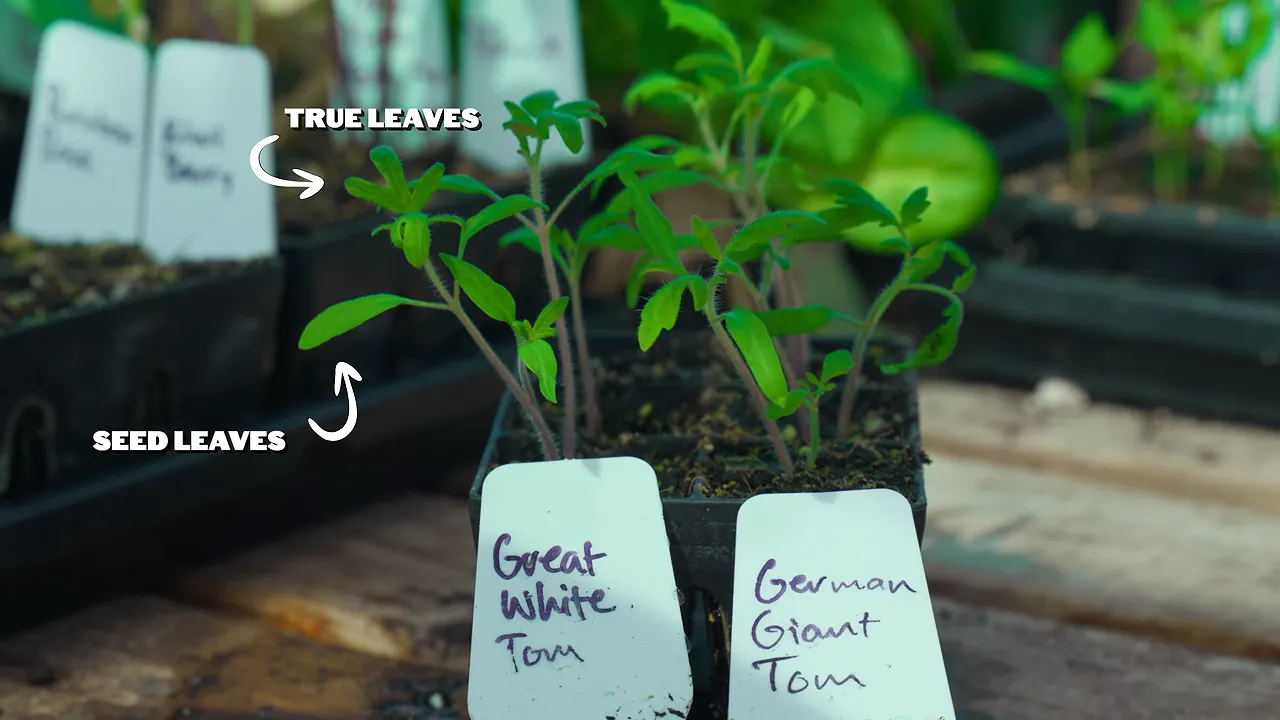
Both sunflower batches looked like sunflowers. The corn was clearly corn, and the Python yardlong beans looked consistent with what I remembered growing before.
The weaker performers were a different story:
- Emerald Giant pepper: Just one very tiny seedling at the early check.
- Giant Butterscotch parsnip: No germination at that point, and no successful harvest to evaluate later.
- Rainbow rose: No germination, including by transplanting time.
- Kiwi berry: Initially nothing, followed by one possible seedling that we left to continue growing.
The mystery flower had unusual, divided-looking seed leaves and thin growth that almost suggested tendrils. I still could not identify it confidently.
Germination answered only the first part of the question. We had mostly received seeds that appeared consistent with the advertised crop. Whether they would produce the advertised flowers or fruit was still completely open.
Moving the Experiment Into the Garden
Once the seedlings were ready, we transplanted the successful starts into the test garden. Most of the tomatoes went together in one area, with space and support for the climbing beans nearby.
The corn needed a little more thought. Four seedlings had germinated across three cells. Corn can be trickier to transplant, but we had made it work before.
Because corn benefits from growing in blocks rather than a single thin row, I arranged the small planting in a compact, roughly triangular pattern. We also kept hand pollination in mind as a possibility.
That detail became important later. A tiny experimental planting is not the same thing as a substantial corn patch, especially when it comes to pollen distribution. For a practical reference, the University of Minnesota Extension’s guide to growing sweet corn explains why planting arrangement matters.
The Sunflowers: Real Seeds, False Promises
The sunflower verdict arrived before most of the vegetable results, and it was not subtle.
Yellow-Purple Enchanting Giant Teddy Bear
We got attractive maroon or blood-red sunflowers. You could generously point to a little yellow on the backs of the petals, but they did not resemble the listing.
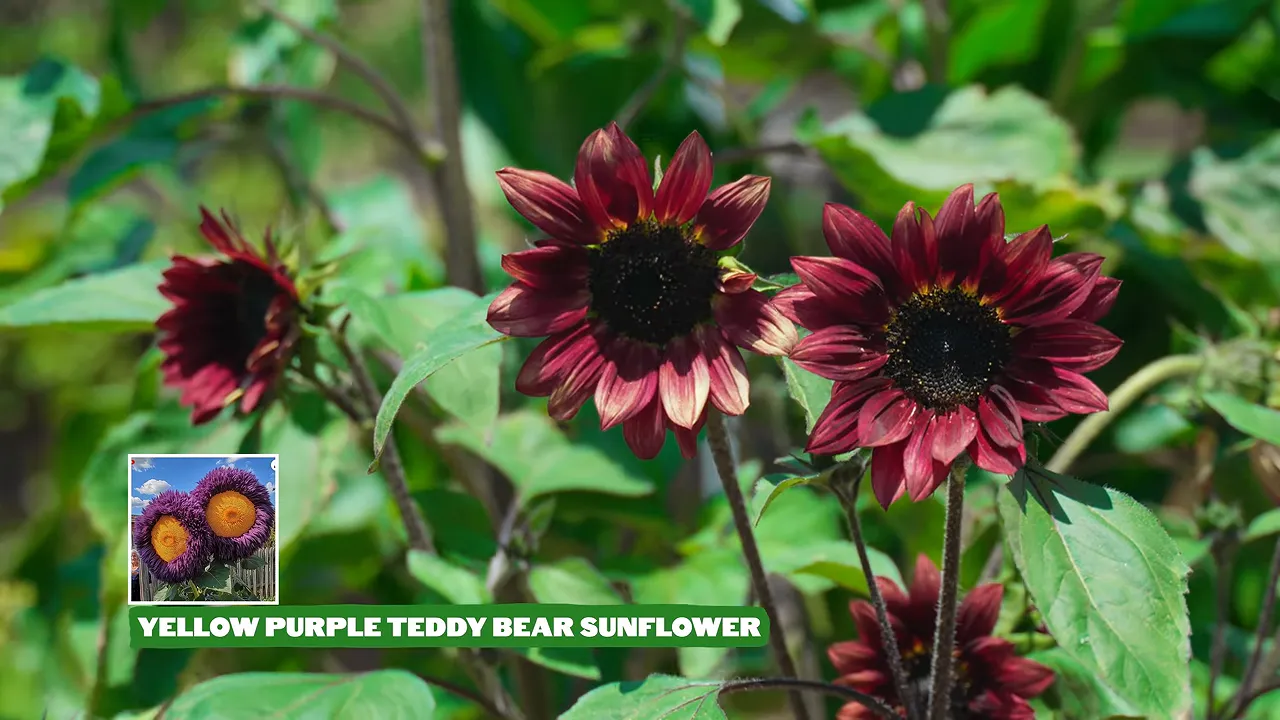
They were not purple in the advertised sense. They were not giant. And they were not Teddy Bear-style blooms.
A Teddy Bear sunflower has a densely petaled, fluffy head, with petals extending inward so you see much less of the central seed head. These had obvious dark centers surrounded by petals. Pretty flowers? Sure. What we ordered? Absolutely not.
All-Purple Enchanting Giant Teddy Bear
The second packet produced ordinary yellow sunflowers. No purple, no enormous fluffy flower head, and certainly nothing approaching the scale implied by the listing.
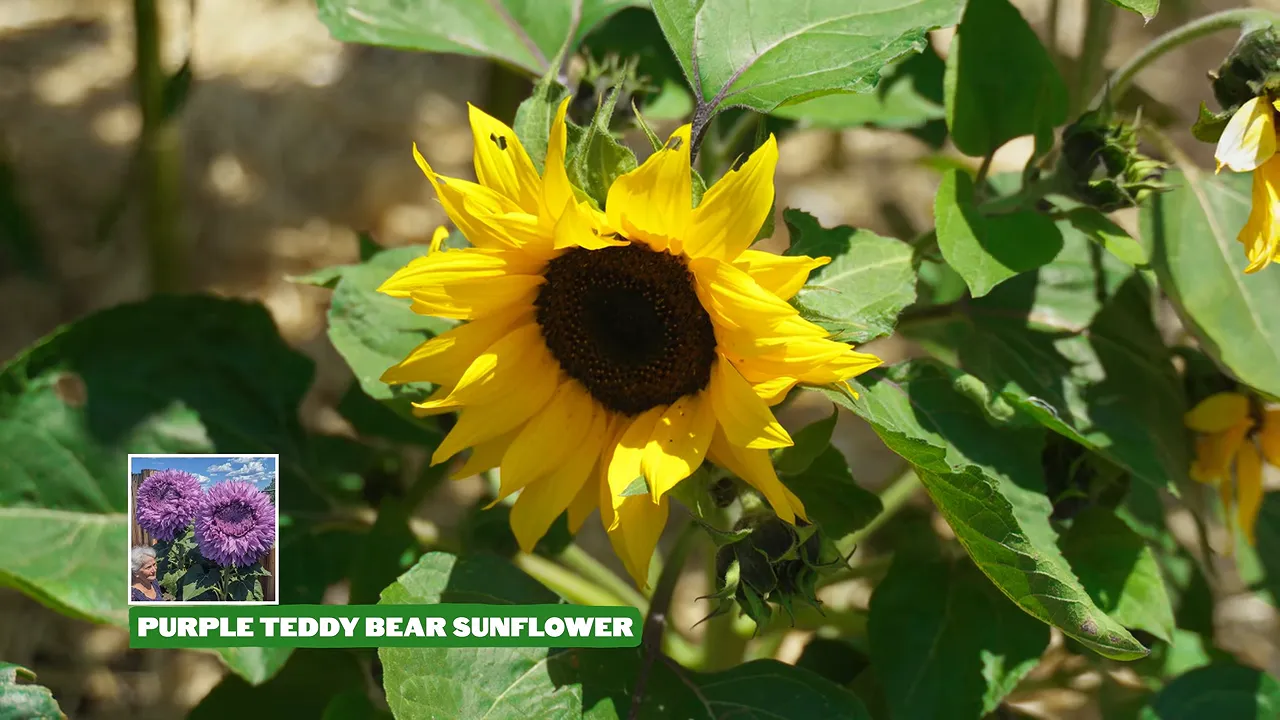
That put the sunflower listings at zero for two. Both contained sunflower seeds, but neither delivered the advertised variety.
The Mystery Flower: Morning Glory, With Plenty of Enthusiasm
Paul had suspected the mystery flower was a morning glory from the seeds, then became more confident as the leaves developed. Once it flowered, the identification was clear.
We had a blue-flowered morning glory, and it was vigorous. Very vigorous.
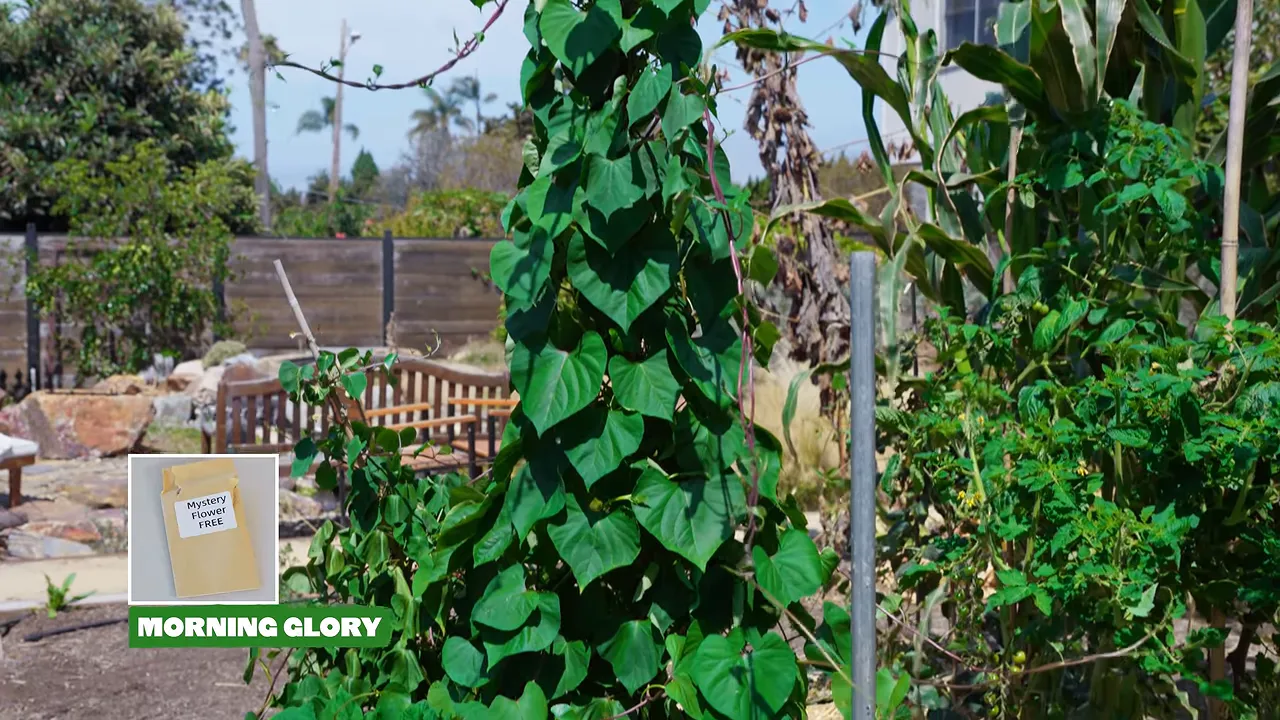
It climbed the tomato trellis and eventually spread through much of the eBay test planting and into part of the neighboring tomato patch.
There was some irony in the free mystery packet becoming one of the strongest growers in the whole collection. At the very least, the “Mystery Flower” label was accurate. Flower confirmed. Restraint not included.
The Tomatoes: A Waterfall Pass, With Limits on the Other Verdicts
Waterfall Cherry Tomato Delivered the General Idea
The waterfall cherry tomato was one of the clearer successes. Its trusses were at least a foot long and carried plenty of cherry tomatoes. Together, the hanging clusters created a cascading effect.
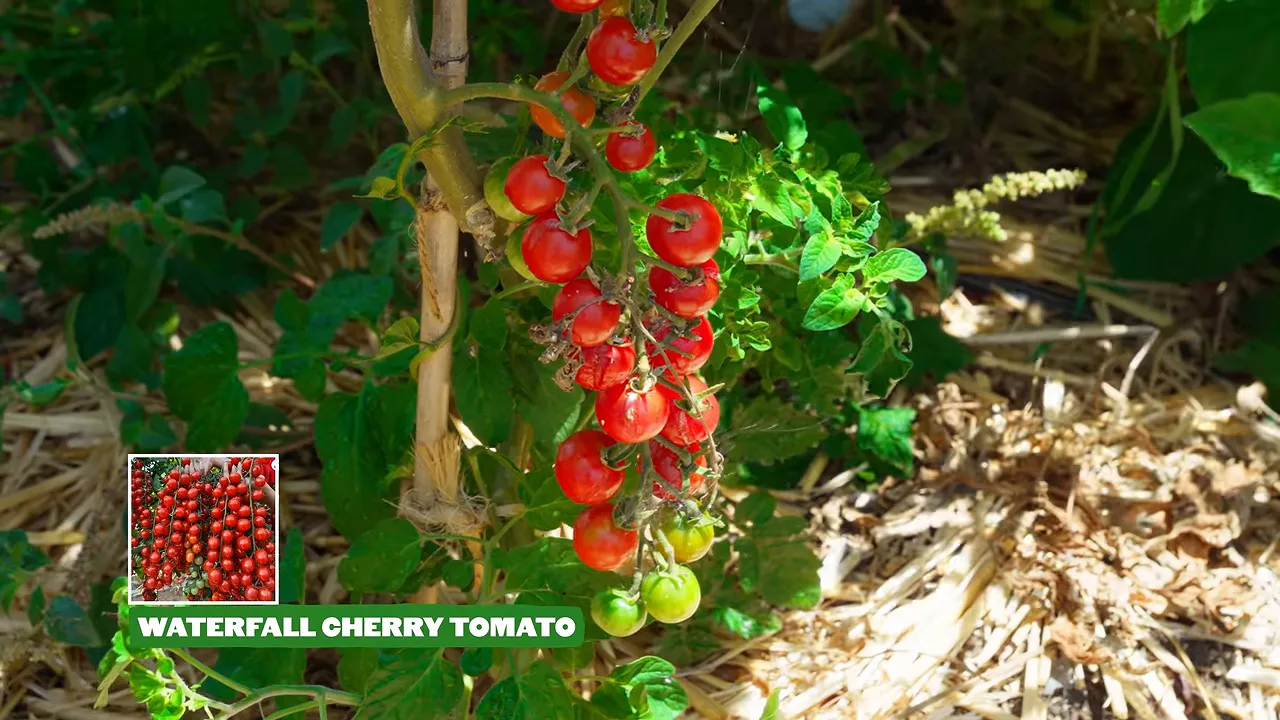
Did it look exactly like every promotional image? No. But the name described what grew well enough that we gave it a pass.
The Giant and White Tomatoes Were Less Conclusive
German Giant, Great White, and Big Zac all produced tomato seedlings, but we did not establish a separate, definitive harvest verdict for each one. There was no confirmed 5-pound Big Zac harvest, and no completed Great White flavor assessment.
Some of the tomatoes performed broadly as expected. The larger lesson was about the way giant tomatoes are marketed: a listing often presents an exceptional specimen as though it is the default result.
Genetics matter, but a photograph of an enormous tomato is not a promise that every plant will produce one. Getting the biggest possible fruit can require very active care.
You also do not need a mysterious marketplace listing to grow large tomatoes. Mortgage Lifter, Brandywine, and other large heirloom beefsteaks offer plenty of potential without the same guessing game.
The Giant Corn: Spectacular Plants, Disappointing Ears
For a while, Nayarit Jala Amarillo corn looked like it might be the star of the experiment.
It grew into some of the tallest corn I had stood next to. By the midseason update, three plants had branched into what looked like a small corn forest. The side growth was not just a few short shoots, either. We had substantial additional stalks developing ears.
The husked ears looked extremely long. At that stage, I was optimistic that the listing might actually hold up.
Then we opened them.
One impressive-looking ear turned out to have almost nothing inside. Another had large kernels, but poor filling across much of the cob. There was insect activity as well, and some of the apparent length came from the elongated base rather than a long, fully developed cob.
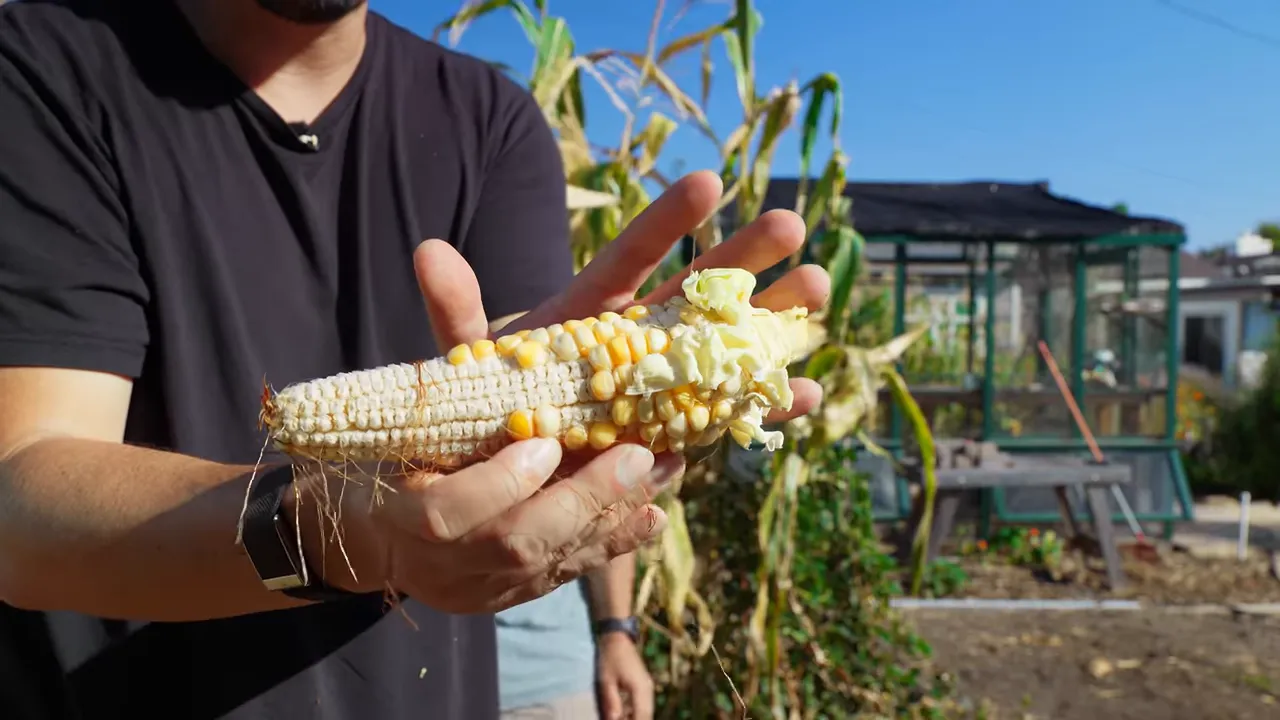
We suspected poor pollination. Corn tassels release pollen that wind carries to the silks, and we thought the uneven heights and arrangement of this small planting may have contributed to poor distribution.
Could grower error have played a role? Absolutely. You cannot rule that out.
So this was not a clean “fake seed” verdict. The plants were genuinely unusual and vigorous, and the kernels were large. But our harvest did not fulfill the promise of those enormous ears. Whether I would devote the space to it again is another question.
Python Yardlong Beans: The Clear Winner
The Python yardlong beans did exactly what I hoped: they grew into long beans that looked true to the advertised crop.
The pods we harvested were roughly 2 feet long, not a literal yard. I was not going to disqualify them over that. A bean longer than your torso has earned a little flexibility in the naming department.
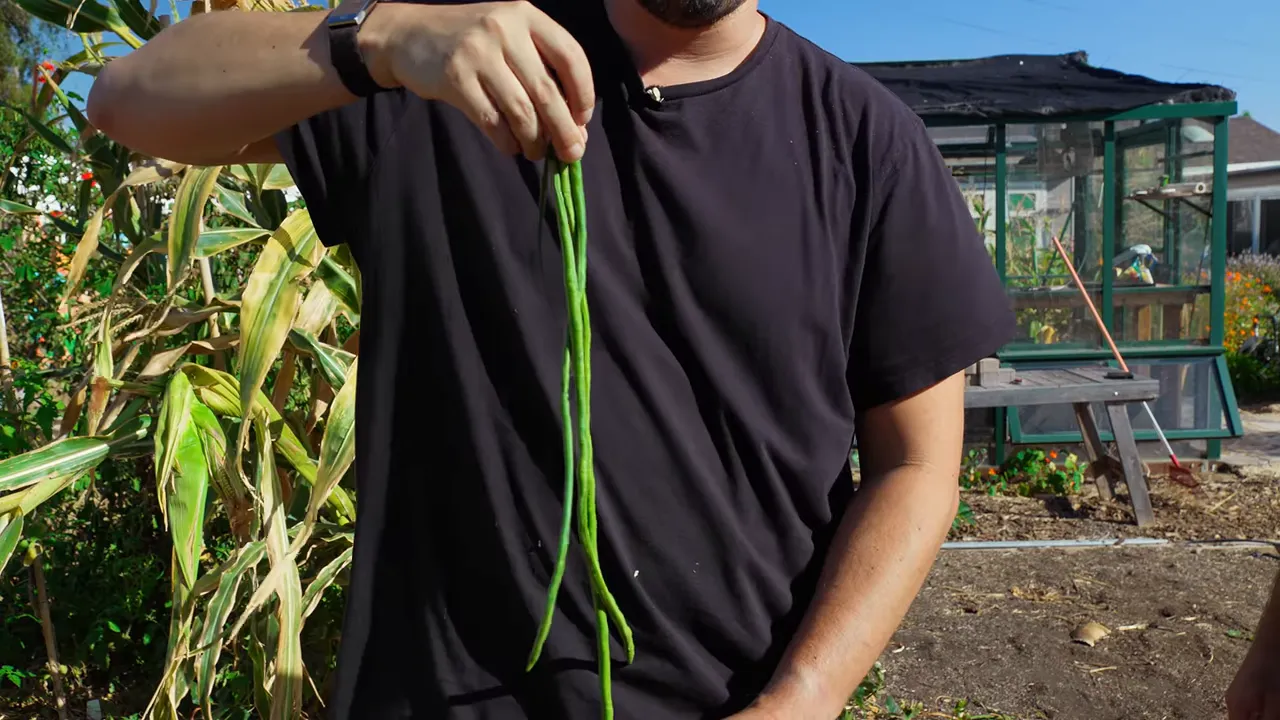
We tasted them, too. They had a chewier texture and a richer flavor than I expected, with a fresh-corn-like note that both Jacques and I picked up.
I liked them a lot. And there is something satisfying about harvesting one pod instead of a handful of shorter beans.
Python yardlong bean gets a clear pass. It was a known, believable variety going into the experiment, and the plants backed up that confidence.
What This Experiment Actually Proved
The results were more useful than a simple claim that all eBay seeds are scams.
- Clearly mislabeled results: Both purple Teddy Bear sunflower listings produced flowers that did not match the advertised colors or form.
- Reasonable successes: Python yardlong beans and waterfall cherry tomatoes delivered the general plants and traits we expected.
- Mixed result: The corn grew into extraordinary plants, but the ears were poorly filled and disappointing.
- Unresolved purchases: The rainbow rose and parsnips did not give us plants to evaluate, the kiwi berry remained inconclusive, and the pepper had very limited early germination without a final harvest verdict.
- Accurate mystery: The free flower packet produced a vigorous morning glory.
A failed germination test alone does not tell you exactly what was in a packet or prove that a seller deliberately misrepresented it. An ordinary yellow sunflower sold as an enormous purple Teddy Bear is a much more direct mismatch.
The biggest lesson is to separate three questions: Did the seed sprout? Was it the advertised kind of plant? Did it deliver the advertised traits? Those are not the same test.
For my own garden, I would rather start with a trusted seed source, including our company Botanical Interests, or swap known seeds with neighbors. We did plenty of that in the early days, and it is still a great way to find interesting plants.
Unusual plants are worth growing. The yardlong beans proved that beautifully. But if a listing promises a purple sunflower nearly the size of a grandmother, a little skepticism is probably the most useful gardening tool you can bring.


